
Description
What Is Generic Lasix?
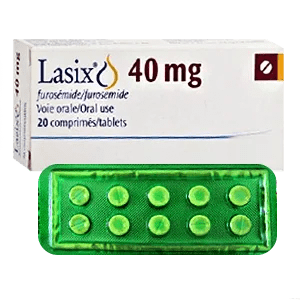
Furosemide oral tablet represents effective prescription diuretic medication available under the brand name Lasix from Sanofi-Aventis. Furosemide tablet works by blocking sodium and chloride reabsorption in the kidneys which lead to increased urine production and rapid fluid elimination. Doctors prescribe generic Lasix for hypertension management and for controlling severe edema associated with congestive heart failure, liver disease, and complex kidney disorders.
Furosemide also treats hypertension as it reduces blood volume and pressure on arterial walls. Medication begins working within one hour and reaches peak effectiveness after 1-2 hours of oral administration.
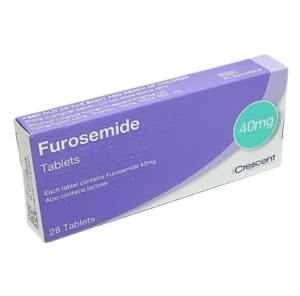 Generic versions of furosemide tablets cost much less than brand-name Lasix and deliver exact same identical clinical performance. Cipla Ltd., Ajanta Pharma, and Centurion Laboratories manufacture FDA-approved generic formulations that demonstrate complete bioequivalence to original brand product. Their goal is to ensure that patients receive high-potency, reliable, and cost-effective treatment across all approved indications.
Oral tablets are available in 40 mg and 100 mg strengths from various manufacturers.
How To Take Furosemide
Furosemide dosing requires an individualized medical assessment based on specific condition being treated and personal response patterns. Dose timing routinely occurs in mornings to maintain steady medication levels and minimize nighttime urination frequency.
Regular clinical monitoring helps determine the most effective dose for each person’s unique health needs. Consistent blood pressure measurements and daily weight tracking play big role in dosage decisions to ensure peak treatment benefits.
How it works
Furosemide blocks the sodium-potassium-chloride cotransporter in the loop of Henle – the segment of the kidney tubule responsible for a large proportion of sodium reabsorption. Without that reabsorption, sodium stays in the tubular fluid and pulls water with it into the urine. Potassium is lost in the process, which is why potassium levels need monitoring and why potassium supplementation is often co-prescribed for patients on regular furosemide.
Where to buy Generic Lasix online?
Cheap generic Lasix 40mg/100mg is manufactured in India, but it can be purchased through the network of American, Canadian, Australian and European pharmacy vendors that operate by direct cooperation with manufacturer. A reliable pharmacy web-store should have their contact information (landline phone and other physical contact) readily available and visible to visitors of the website.
In order to enjoy a lower Lasix price, we suggest people order from a pharmacy that uses so-called direct sales model that minimizes logistical expenditures. You can also decrease per-pill price by ordering bigger packages. For instance, a in a 30-pills package of Lasix 40mg each pill costs ~$3.16, while the same drug is available for only $0.48 per pill in a 360-pill package of Lasix 40 mg. Lasix 100mg is not far behind when we analyze cost-efficiency. Monthly package offers Lasix-100 pill at $3.13 a piece and a year package reduces the cost of one pill down to $0.66, which translates into more than 400% savings.
Furosemide 100mg Benefits
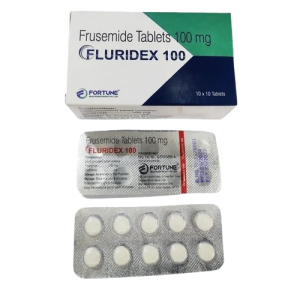 Furosemide 100 mg delivers reliable fluid management and serves as a critical therapeutic cornerstone across complex cardiovascular, renal, and hepatic conditions. It promotes rapid diuresis and its advance formulation restores fluid balance, alleviates systemic pressure and optimizes organ function.
- Targeted Edema & Cardiovascular Control: Mobilizes trapped fluid to relieve systemic congestion in heart failure, liver cirrhosis, and advanced renal disease, while maintaining steady blood pressure control.
- Rapid Emergency & Pulmonary Relief: Acts with high clinical precision in acute care settings to swiftly clear pleural effusions and relieve flash pulmonary edema.
- Complex Renal Support: Provides powerful therapeutic action for complex kidney conditions (nephrotic syndrome, acute glomerulonephritis, chronic kidney disease) and keeps essential fluid balance.
- Hepatic Pressure Management: Delivers high-potency fluid reduction to clear ascites caused by portal hypertension.
- Perioperative & Critical Care Stability: Ensures precise fluid balance throughout surgical procedures and postoperative recovery; offers dependable performance when fluid dynamics demand exact control.
Furosemide Tolerability Profile and Adaptation
Lasix demonstrates a favorable tolerability profile across broad patient demographics, with initial physiological adaptations reflecting successful diuresis. Early secondary responses, such as increased urinary frequency and mild postural dizziness, signal effective fluid mobilization and stabilize within first week of treatment. To support seamless physiological adaptation, gradual position changes can mitigate transient blood pressure adjustments.
Key Clinical Considerations
- Electrolyte Management: Active fluid clearance naturally influences serum potassium, sodium, and magnesium concentrations. Routine electrolyte panels ensure optimal mineral balance.
- Renal Function Monitoring: Periodic tracking of creatinine and blood urea nitrogen (BUN) levels confirms sustained therapeutic safety and allows doctors to fine-tune dosage for maximum efficacy.
- Sensory and Neurological Dynamics: Occasional mild extremity paresthesia, transient abdominal discomfort, or auditory shifts (such as temporary tinnitus) respond promptly to minor dose calibrations rather than requiring treatment cessation.
- Immunological Safety: Severe allergic manifestations are very rare and occur in fewer than 1% of patients. Clinical protocols ensure immediate medical re-evaluation and regimen optimization should dermatological or respiratory sensitivities arise.
Proactive clinical oversight, structured follow-up visits, and standard laboratory monitoring are important to achieve a safe and long-term therapeutic success.
Tips
| Category | Guideline | Action & Purpose |
|---|---|---|
| Administration | Morning Dosing | Swallow whole with water in the morning to maximize steady therapeutic levels while protecting restful, uninterrupted sleep. |
| Storage | Moisture Protection | Maintain peak tablet stability at 68–77°F (20–25°C) in original, tightly closed containers preserved away from bathroom humidity. |
| Refills | Care Continuity | Coordinate refills proactively with your healthcare provider to guarantee seamless, uninterrupted daily treatment. |
| Travel | Logistics & Dosing | Carry labeled original containers with ample extra supply; consult your physician to align dosing across time zones. |
| Self-Monitoring | Daily Tracking | Empower your care team by tracking daily weight, home blood pressure, and key symptoms to maintain perfect fluid harmony. |
| Clinical Checks | Lab Monitoring | Consistently complete routine blood work and blood pressure checks to optimize renal function, electrolytes, and overall safety. |
| Diet | Electrolyte Balance | Nourish your body with potassium-rich foods, moderate sodium, and maintain balanced hydration to fully support treatment success. |
| Sun Protection | UV Sensitivity | Apply broad-spectrum SPF 30+ sunscreen and wear protective clothing to comfortably safeguard skin during outdoor activities. |