

Description
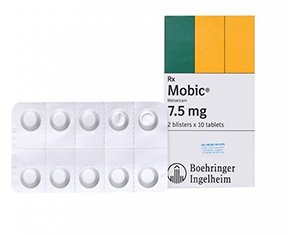
Mobic (meloxicam)
All NSAIDs — including meloxicam — carry a black box warning for cardiovascular events. Heart attack and stroke risk increases with dose and duration of use, and the risk is present even in people without pre-existing heart disease. This is not a warning unique to Mobic; it applies to the entire drug class. But it’s the right place to start, because it shapes every decision about whether and how long to use the drug.
Available in 7.5 mg and 15 mg tablets.
What makes meloxicam different from ibuprofen
 Meloxicam is a COX-2 preferential inhibitor — it targets the enzyme responsible for inflammation (COX-2) more selectively than the enzyme that protects the stomach lining (COX-1). In practice, this means somewhat lower gastrointestinal risk compared to non-selective NSAIDs like ibuprofen or naproxen, though not zero. The cardiovascular risk profile is similar across the NSAID class.
The half-life of roughly 20 hours allows once-daily dosing, which is a practical advantage over ibuprofen’s 6-hour dosing schedule. Effects build over several days of regular use rather than within hours of a single dose — Mobic is designed for ongoing inflammatory conditions, not acute pain relief.
What it treats
Osteoarthritis and rheumatoid arthritis. It reduces pain, stiffness, and joint swelling associated with both conditions. Also used for other inflammatory musculoskeletal conditions.
Dosing
Starting dose is 7.5 mg once daily. If the response is inadequate, this can be increased to 15 mg once daily — the maximum dose. Some patients do well on the lower dose and don’t need more.
Elderly patients should use the smallest effective dose for the shortest necessary duration. In patients on hemodialysis or with terminal renal failure, the dose should not exceed 7.5 mg daily; for mild to moderate kidney impairment, dose adjustment is generally not required.
Cardiovascular and gastrointestinal risk
The cardiovascular black box warning means that Mobic — like all NSAIDs — is not appropriate for use immediately before or after coronary artery bypass surgery, and should be used with caution (or avoided) in patients with existing heart disease, a history of stroke, or multiple cardiovascular risk factors.
GI risk: NSAIDs can cause ulcers, bleeding, and perforation of the stomach or intestines, sometimes without warning symptoms. Risk is higher in older adults, in people with a history of ulcer disease, and with concurrent anticoagulant or corticosteroid use. Taking meloxicam with food can reduce stomach irritation.
Alcohol significantly increases the risk of gastrointestinal bleeding when combined with any NSAID, including Mobic. These should not be combined.
Who should not take Mobic
 People with known hypersensitivity to meloxicam or NSAIDs, including those who have experienced asthma, urticaria, or allergic reactions to aspirin or other NSAIDs. The aspirin-NSAID cross-sensitivity is real — an aspirin-triggered respiratory reaction predicts risk with other NSAIDs.
Pregnancy, particularly from 20 weeks onward: NSAIDs can cause premature closure of the ductus arteriosus and fetal renal dysfunction. From 30 weeks, they are contraindicated. First-trimester use should also be discussed with a prescriber.
Avoid combining meloxicam with other NSAIDs including ibuprofen, naproxen, or diclofenac — no added benefit, significantly increased side effect risk. If ibuprofen is needed for another reason, allow at least four hours between doses.
Side effects
Common: headache, dizziness, nausea, vomiting, diarrhea, abdominal discomfort, elevated blood pressure, increased sensitivity to UV light. Most are dose-dependent and improve if the dose is reduced.
Less common but serious: signs of GI bleeding (dark or tarry stools, vomiting blood), fluid retention and edema, liver enzyme elevation. Skin reactions including photosensitivity and, rarely, more severe eruptions.