
Description
Propranolol (Inderal)
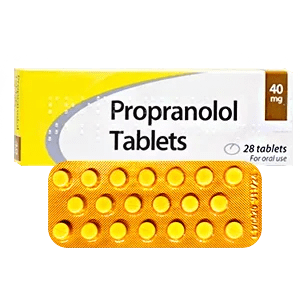
Propranolol is a non-selective beta-adrenergic blocker with a broad clinical footprint. It reduces heart rate and the force of cardiac contraction by blocking beta-1 receptors in the heart, and has additional effects through beta-2 blockade that affect airway tone and peripheral vasculature. It’s available in 20 mg, 40 mg, and 80 mg tablets and is used for hypertension, angina, cardiac arrhythmias, migraine prevention, essential tremor, hyperthyroidism, and anxiety-related physiological symptoms.
Dosing
Dosing is indication-specific and titrated individually:
Hypertension and angina: starting doses are typically in the range of 40–80 mg twice daily, with common therapeutic doses reaching 160 mg daily. Arrhythmias: 40–120 mg daily in divided doses. Migraine prevention and tremor: 80–160 mg daily. Older patients and those with hepatic impairment should begin at lower doses (20 mg). Full therapeutic effect may take 2 to 3 weeks to become apparent.
Maximum therapeutic effects are dose-dependent. The drug is taken twice daily for most indications; timing and food consistency matter less than adherence.
Do not stop abruptly
Propranolol must not be discontinued suddenly, especially in patients with angina or ischemic heart disease. Abrupt withdrawal can trigger rebound angina, cardiac arrhythmias, and myocardial infarction. When stopping, the dose should be tapered gradually over at least 1 to 2 weeks under medical supervision.
Asthma and airway disease
Propranolol is contraindicated in patients with asthma or reactive airway disease. Non-selective beta-blockade causes bronchospasm in susceptible individuals. Patients with COPD should use propranolol only with caution and close monitoring.
Contraindications
Asthma and bronchial disease. Severe bradycardia. Atrioventricular block (second or third degree). Cardiogenic shock. Significant hypotension. Hypersensitivity to propranolol. Uncontrolled heart failure.
Drug interactions
Antiarrhythmics — additive effects on cardiac conduction and rate. Calcium channel blockers, particularly verapamil and diltiazem — additive bradycardia and AV block risk with intravenous use. Dihydropyridines like nifedipine — risk of hypotensive crises. Cimetidine and hydralazine raise propranolol plasma levels. Anticoagulants and antidepressants have documented interactions. Alcohol should be avoided.
Diabetes
Propranolol masks the tachycardia that normally signals hypoglycemia in diabetic patients. Sweating is preserved as a warning sign, but other hypoglycemic symptoms may be blunted. Diabetic patients on insulin or sulfonylureas require more frequent blood glucose monitoring when taking propranolol.
Side effects
Diarrhea, nausea, fatigue, cold extremities, and insomnia are the most common. Serious effects requiring evaluation: slow or irregular heartbeat, significant lightheadedness, wheezing, edema with rapid weight gain, depression, confusion, hallucinations, and severe skin reactions.