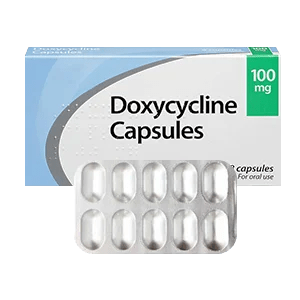
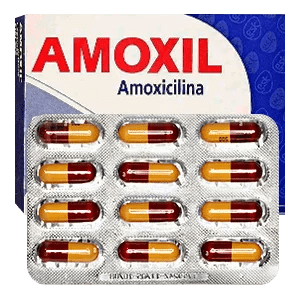
Description
Amoxicillin/Amoxycillin
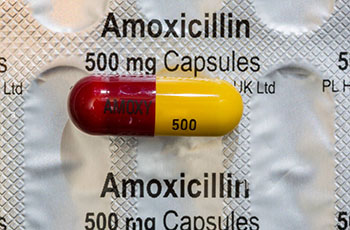
Amoxicillin is a beta-lactam antibiotic that belongs to the penicillin group and demonstrates broad-spectrum antimicrobial activity against bacteria.
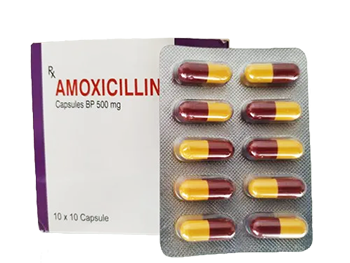 Chemical structure modifications enhance acid stability compared to ampicillin ans allows effective oral administration with improved bioavailability. Amoxycillin demonstrates superior absorption characteristics when taken with or without food. Each capsule contains precisely measured active pharmaceutical ingredients to ensure optimal therapeutic outcomes.
Enteric-resistant capsule shells protect the antibiotic from gastric acid degradation and releases in the small intestine.
Brand names include Amoxil and Trimox with generic versions available from Indian companies: Cipla Ltd., Ajanta Pharma and Sunrise Pharma. Manufacturers of generic amoxicillin ensure their pills contain the same amount of active ingridient as brand AMOXIL, while also offer a cost-efficient alternative for patients worldwide. Their facilities have Central Drugs Standard Control Organization approvals and meet WHO-GMP standard guidelines.
Supported by ISO 9001:2015 certification and regular FDA inspections, each batch undergoes rigorous stability testing and real-time production monitoring to guarantee maximum purity, safety, and performance.
Distribution networks across India facilitate timely access to these medications through online pharmaceutical distributors.
What Is Amoxicillin 500mg Used For?
Common bacterial conditions treated with amoxicillin therapy include:
- Acute bacterial sinusitis – sinus cavity infection that causes facial pain and nasal congestion
- Acute streptococcal tonsillitis and pharyngitis – throat infections caused by Group A Streptococcus
- Acute exacerbations of chronic bronchitis – bacterial superinfection in chronic lung disease
- Community acquired pneumonia – lung infection
- Acute otitis media – middle ear bacterial infection in children and adults
- Acute cystitis – bladder infection causing urinary frequency and dysuria
- Acute pyelonephritis – kidney infection with systemic symptoms
- Asymptomatic bacteriuria in pregnancy – bacterial presence without symptoms during gestation
- Typhoid and paratyphoid fevers – Salmonella systemic infections
- Dental abscess with spreading cellulitis – tooth infection that extends to facial tissues
- Prosthetic joint infections – bacterial colonization of artificial implants
- Helicobacter pylori eradication – stomach bacteria elimination therapy
- Lyme disease – Borrelia burgdorferi infection from tick transmission
- Diabetic foot infections – bacterial complications in neuropathic extremities
How To Order Generic Amoxil
 911mg.org offers significant cost advantages with Amoxil 250/500mg available at as cheap as $0.79 per tablet. Bulk purchases provide additional savings with 90-tablet supplies priced at around $122 depending on the supplier and shipping location. Ajanta Pharma , Centurion Labs and other Indian manufacturers provide authentic formulations at wholesale pricing structures. Bulk purchase options also reduce per-tablet costs significantly, with 90-tablet supplies priced 20-50% lower than smaller quantities.
Wholesale pricing structures for generic amoxicillin capsules 500mg vary based on order quantities and distribution agreements with pharmaceutical suppliers.
Payment processing accepts major credit cards, electronic transfers, and cryptocurrency options. Order confirmation emails include tracking numbers and estimated delivery timeframes.
How Amoxicillin 500mg Capsules Work
Amoxicillin operates through highly effective bactericidal mechanisms that directly disrupt bacterial cell wall synthesis.
⚠️ During active growth phases, bacterial cell wall synthesis relies on sequential building steps. Amoxicillin prevents proper peptidoglycan cross-linking between polymer chains, stripping bacteria of their structural integrity against internal osmotic pressure. This results in rapid bacterial lysis within just 30 to 60 minutes of adequate antibiotic exposure that guarantees powerful and decisive antimicrobial action.
Such advanced mechanism selectively eliminates bacterial cells and safeguard human cellular structures. Exceptional selective toxicity guarantees high therapeutic efficacy and outstanding patient safety and delivers maximum health protection without damaging host tissues.
Amoxicillin Side Effects
| Category | Side Effect | Clinical Profile & Management |
|---|---|---|
| Gastrointestinal Response | Mild Nausea & Loose Stools | Most common transient effects; resolve within 2 – 3 days as digestive flora adapts. Probiotics support bacterial harmony. |
| Dermatological Response | Benign Skin Rash | Occurs in 5 – 10% of cases as minor red spots that clear rapidly post-treatment; rarely indicates true allergic phenomena. |
| Microbial Balance | Secondary Yeast Overgrowth | Occasional shifts in bacterial flora may cause mild oral thrush or vaginal yeast issues, which respond rapidly to standard antifungal care. |
| Hepatic Markers | Transient Enzyme Elevation | Minor, temporary increases in laboratory liver enzyme levels that normalize completely after therapy completion. |
Contraindications for Amoxicillin
Do not take amoxicillin if you have a known allergy to penicillin or related beta-lactam antibiotics. Inform your doctor about any past reactions to ensure complete safety and confidence in your care. If your allergy history is unclear, a simple allergy test gives you definitive answers right away.
Patients with mononucleosis should skip amoxicillin therapy as it commonly triggers a harmless skin rash. If you manage phenylketonuria, simply check chewable formulations for aspartame to keep your diet balanced. Amoxicillin carries an exceptional Category B rating for pregnancy and offers strong peace of mind when treatment is needed.
For individuals with kidney conditions, doctors seamlessly adjust the dosage to maintain full antibiotic strength without any drug buildup.
Latest Amoxil 500mg Clinical Information
Recent clinical data confirms amoxicillin maintains excellent efficacy against common respiratory pathogens including Streptococcus pneumoniae and Haemophilus influenzae. Resistance patterns remain stable with susceptibility rates above 85% for most community-acquired infections. Updated guidelines recommend amoxicillin as first-line therapy for uncomplicated bacterial sinusitis and otitis media.
Pharmacovigilance reports indicate favorable tolerance profiles with gastrointestinal effects being most frequently reported. New formulation technologies focus on enteric-coated variants reducing stomach irritation potential. Regulatory updates from international health authorities continue supporting amoxicillin use across diverse patient populations.
Frequently Asked Questions
Q: How should Amoxicillin Tablets be taken for optimal effectiveness?
Amoxicillin tablets deliver reliable results when taken orally with or without food, though taking them alongside meals minimizes gastrointestinal discomfort. Such method ensures rapid dissolution and optimal absorption into systemic circulation.
Q: What types of infections are Amoxicillin Tablets used for?
Doctors prescribe amoxicillin tablets for a broad range of bacterial conditions e.g. pneumonia, bronchitis, sinusitis, otitis media, cystitis, pyelonephritis, cellulitis, and streptococcal pharyngitis. It demonstrates exceptional efficacy in eradicating Helicobacter pylori when paired with proton pump inhibitors.
Q: What are the optimal storage conditions for Amoxicillin Tablets?
Maintain peak pharmaceutical potency by storing amoxicillin tablets at controlled room temperature (67–89°F) in a dry, well-ventilated space away from direct light and humidity. Keep containers tightly sealed and in relative humidity under 60% in order to fully preserves tablet integrity and guarantee a reliable 36-month shelf life.
Q: How often should the medication be taken and for how long?
Standard treatment regimens clear most bacterial infections within 7 to 10 days, with specific complex conditions utilizing 14-day protocols.
Q: What are the benefits of using Amoxicillin over other antibiotics?
Amoxicillin 500mg tablets provide oral bioavailability with an impressive 90% absorption rate – more than double that of ampicillin. Formulation exhibits exceptional tissue penetration and keeps strong therapeutic concentrations throughout respiratory secretions, middle ear fluid and urinary tract. Generic amoxicillin-500 also offers great digestive tolerance compared to alternative options.