Description
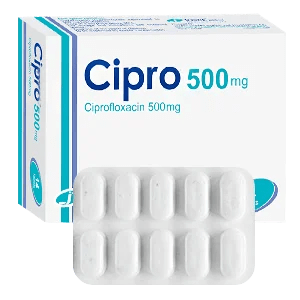
Cipro (ciprofloxacin)
Your pharmacist may have mentioned something about your tendons. They weren’t exaggerating.
Ciprofloxacin carries three black box warnings from the FDA — the highest-tier safety label in American prescribing. Tendon damage was the first, added in 2008. Worsening of myasthenia gravis came in 2011. Irreversible peripheral neuropathy in 2013. That progression — three separate additions over five years — reflects a drug that kept producing serious effects that regulators hadn’t fully characterized at approval. It’s still a useful antibiotic. It’s also a drug worth understanding before you start.
Available in 250 mg, 500 mg, 750 mg, and 1000 mg tablets.
What it treats
Respiratory tract infections, middle ear infections, urogenital infections including UTIs, abdominal infections, skin and soft tissue infections, bone and joint infections. Adults and children over 4.
The breadth is part of why fluoroquinolones get overprescribed. They work against bacteria that simpler antibiotics don’t reach, which makes them convenient first-line choices when they’re not the necessary ones — and that’s a direct path to resistance in species that genuinely need this class as a last resort.
Tendons
The Achilles tendon is the most commonly affected, but any tendon is at risk. Rupture can happen during treatment or weeks after you’ve finished. Your risk is substantially higher if you’re over 60, if you’re taking corticosteroids at the same time, or if you’re doing intense physical activity during the course. The fluoroquinolone-plus-corticosteroid combination is particularly bad — these risks compound.
Pain or swelling in any tendon while on Cipro: stop that day and contact your doctor. Not monitor and wait. Stop.
Peripheral neuropathy
This one gets less attention than the tendon warning. The FDA added it to the black box in 2013 specifically because the nerve damage can be permanent. Symptoms are numbness, tingling, burning sensation, or weakness in the hands or feet. They can begin during treatment or after it ends. If they appear, the drug should be stopped immediately — continuing increases the likelihood that the damage doesn’t fully reverse.
Theophylline — a serious interaction
If you take theophylline for asthma or COPD, this interaction needs direct attention before you start Cipro.
Ciprofloxacin inhibits CYP1A2, the liver enzyme responsible for breaking down theophylline. Clearance drops by 20 to 65 percent — a wide range that reflects individual variability, but even the low end represents a major accumulation. Toxic theophylline levels can develop within two to three days of starting ciprofloxacin. Documented outcomes include cardiac arrest, seizure, status epilepticus, and respiratory failure. Deaths have been reported.
This is not a vague drug-drug caution about monitoring. Your prescriber needs to know about theophylline before the first Cipro tablet.
Who should not take Cipro
Pregnant women and those who are breastfeeding. Children and adolescents whose bones are still developing — fluoroquinolones damage developing cartilage, which is a hard contraindication.
Epilepsy: ciprofloxacin lowers the seizure threshold; the risk is real and documented. Myasthenia gravis: acute severe worsening of muscle weakness has been reported, which is why the FDA added it to the black box. If either applies to you, the prescriber needs to know.
NSAIDs taken alongside Cipro increase CNS effects including seizure risk. Antacids, calcium, magnesium, or iron supplements reduce absorption — separate them by at least two hours from each dose.
Side effects
Nausea, stomach discomfort, vomiting, diarrhea — most people work through these. CNS effects are less common: dizziness, headache, insomnia, tremors, anxiety. Rarely, convulsions or hallucinations — which explains the recommendation to use caution when alertness matters.
Photosensitivity is real. Sun exposure during treatment burns faster. At the uncommon but serious end of the skin reactions: Stevens-Johnson syndrome, which begins as rash and fever and can escalate rapidly. Any new rash during a course gets evaluated the same day.
Also: elevated liver enzymes, vision changes, taste and smell disturbances. The taste and smell effects can persist after the course ends in some patients.
Stop the drug and get seen if rash, facial swelling, tendon pain, or severe diarrhea develops during or after treatment.