Description
What is Malegra FXT?
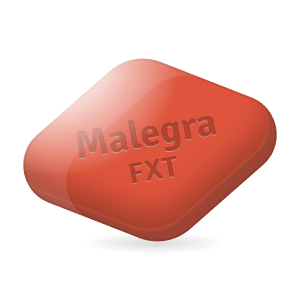
Malegra FXT represents a dual-action pharmaceutical formulation that combines sildenafil citrate and fluoxetine in a single tablet. Sunrise Remedies manufactures Malegra FXT-140 specifically for men who experience both erectile dysfunction and premature ejaculation.
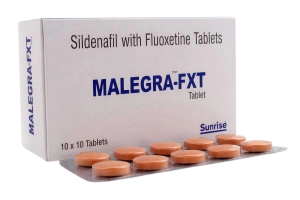 Each tablet contains 100mg of sildenafil citrate paired with 40mg of fluoxetine hydrochloride. Such combination addresses two distinct male sexual health concerns at the same time with the help of different mechanisms of action.
Sunrise Remedies produces Malegra FXT 140mg under strict pharmaceutical manufacturing protocols. WHO-GMP certification guarantees consistent quality standards across all production batches. Each tablet undergoes quality control testing for active ingredient concentration and dissolution rates.
Uses of Malegra FXT
Erectile dysfunction treatment represents the primary therapeutic indication for sildenafil component within Malegra-FXT. Clinical studies demonstrate effectiveness rates exceeding 80% in suitable candidates when used according to medical guidance.
Premature ejaculation management constitutes the secondary therapeutic target through fluoxetine inclusion. Selective serotonin reuptake inhibitor extends ejaculatory latency by modulating neurotransmitter activity in specific brain regions. Combined therapy addresses both conditions simultaneously rather than requiring separate medication regimens.
Off-label applications may include pulmonary arterial hypertension treatment through sildenafil’s vasodilatory properties.
Buy Malegra FXT 140 mg Tablets Online
| Order Package / Quantity | Total Price | Price per Tablet | Key Features & Value |
|---|---|---|---|
| 30-Tablet Supply | $52.00 | $1.73 | Entry Bulk Pricing |
| 90-Tablet Supply | $117.00 | $1.30 | Intermediate Quantity Discount |
| Maximum Bulk Package (270 pills) | $310.00 | $1.14 | Lowest Unit Cost |
Our online pharmacy guarantee authentic pharmaceutical products sourced directly from Sunrise Remedies manufacturing facilities. Quality verification certificates accompany each shipment confirming batch authenticity and expiration dating. Return policies protect consumers against counterfeit medications with full refund guarantees for verified quality concerns.
Key Benefits of Malegra FXT 100/40 Mg
Malegra FXT (sildenafil 100mg / fluoxetine 40mg) produced by Sunrise Remedies offers a complex, dual-action approach for ED treatment. Combination of blood flow enhancement and serotonin modulation creates physiological and psychological benefits that optimizes overall performance and relationship quality.
| Benefit Category | Specific Impact & Efficacy |
|---|---|
| Dual ED/PE Support | Firm erection in 30–60 min with extended ejaculatory control |
| Session Duration | 200–300% increase in intercourse time (extends to 8–12 min) |
| Vascular Health | Enhanced nitric oxide production and endothelial support |
| Psychological Impact | Reduced performance anxiety and higher intimate confidence |
| Couples’ Intimacy | Significantly improved mutual satisfaction and connection |
| Economy & Convenience | ~40% cost savings versus buying separate treatments |
How is Malegra FXT Used?
Swallow whole Malegra-FXT 140mg tablets with water approximately one hour before anticipated sexual activity. Daily administration schedules work best for fluoxetine component effectiveness while sildenafil provides on-demand erectile support. Dadha Pharma and Dharam Distributors supply various strength combinations to accommodate different therapeutic needs.
Optimal safety and therapeutic results are achieved by limiting administration to a single tablet per 24-hour period. Moderating alcohol intake supports full medication efficacy and promotes overall well-being throughout treatment. RSM Pharma provides detailed administration guidelines with their sildenafil-based formulations for optimal therapeutic outcomes.
Science Behind Synergy: How MalegraFXT Works?
Both active compounds reach peak plasma concentrations within 1 to 2 hours after oral administration. Dual mechanism delivers measurable improvements in erectile rigidity and significantly extends intravaginal ejaculatory latency time (IELT). Clinical trials confirm average IELT increases from a baseline of 1.2 minutes to a post-treatment average of 4.8 minutes.
Stability testing by Sunset Pharma and Centurion Laboratories confirms full potency maintenance for 36 months under standard storage conditions. The formulation maintains therapeutic effectiveness across diverse physiological profiles and age ranges from 18 to 65 years.
Sildenafil Citrate: Restoring Erection Quality
Sildenafil Citrate targets PDE5 enzyme activity within penile smooth muscle cells and prevents cyclic guanosine monophosphate (cGMP) degradation. Such mechanism supports sustained nitric oxide-mediated vasodilation during sexual stimulation. Improvements in erection firmness occur within 30 to 45 minutes of administration, with primary effects lasting 4 to 6 hours.
Hemodynamic assessments show increased penile blood flow rates of 45% to 60% above baseline levels. The compound demonstrates consistent efficacy across various underlying factors, including vascular, neurogenic, and psychogenic origins. Clinical studies show success rates of 82% in achieving satisfactory erection firmness.
Fluoxetine Hydrochloride: Extending Performance
Fluoxetine Hydrochloride increases synaptic serotonin availability by blocking presynaptic reuptake transporters. Elevated serotonin concentrations in the central nervous system enhance ejaculatory control through neurological regulation. Noticeable improvements in ejaculatory latency begin within 7 to 14 days of regular use, reaching peak effectiveness over 4 to 6 weeks.
Neurological pathway modulation affects both spinal ejaculatory centers and higher cortical processing regions. Compound produces dose-dependent increases in threshold sensitivity which allows extended intimate sessions.
Safety Profile of Malegra FXT (100/40 mg)
 Malegra 100/40 demonstrates a highly predictable and well-tolerated safety profile, with most initial physiological adaptations resolving naturally as the body adjusts to therapy over the first few weeks. Systemic vasodilation and serotonin modulation combine to enhance performance, while simply maintaining adequate hydration optimize digestive comfort and lower overall sensitivity. For individuals with specialized hepatic or renal profiles, tailored dosing strategies allow for smooth drug clearance and stable plasma concentrations, ensuring high treatment satisfaction.
- Transient Adaptive Responses: Mild, self-limiting effects such as temporary headaches (~20%), facial flushing, light dizziness (~12%), and mild digestive shifts (~15%) diminish within 2–4 weeks.
- Hemodynamic Stability: Gentle vasodilatory responses involve minor blood pressure adjustments (5–10 mmHg) and brief visual sensitivity (<5%), both resolving naturally within 4–6 hours as plasma levels normalize.
- Optimized Comfort Measures: Co-administering tablets with light dining reduces gastrointestinal sensitivity by up to 60%, while regular hydration drops headache frequency to under 8% after one month.
- Personalized Metabolic Support: Initial half-tablet regimens and periodic liver or kidney function monitoring support optimal drug clearance and maximum comfort for men with modified organ profiles.
Tips For Maximizing Malegra FXT Effects
- Consistently adhere to recommended usage guidelines and lifestyle modifications that support medication effectiveness
- Keep timely coordination between medication administration and planned sexual activity
- Do regular exercise to promote cardiovascular health and support natural blood circulation mechanisms
- Use stress reduction techniques, such as meditation or relaxation exercises, to enhance overall treatment effectiveness
- Maintain adequate sleep patterns to contribute to hormonal balance and sexual health maintenance
- Smoking cessation to improve vascular function and medication response rates
- Maintain weight management through balanced nutrition to enhance treatment outcomes and reduce underlying health complications